
Circuit Breaker
Monitor
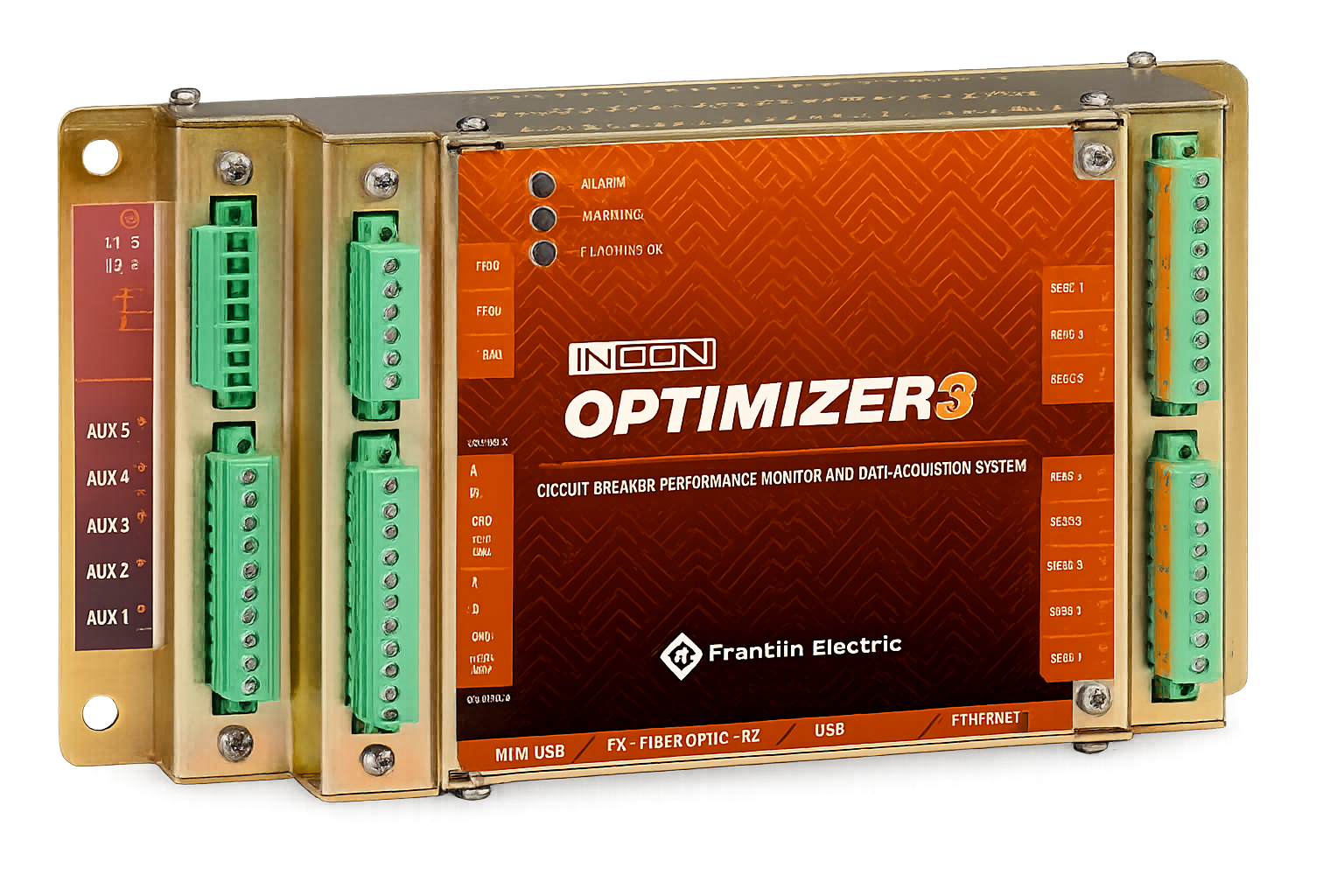
The INCON® Optimizer3 is an online continuous performance monitor for high voltage circuit breakers, designed to facilitate condition-based maintenance with real-time health data.
24/7
Online Monitoring
100%
Condition Based
DNP3
Seamless Integration
Unmatched Insight into Breaker Health
With early detection of circuit breaker deficiencies, the Optimizer3 enables utilities to proactively address issues before they escalate, saving both time and resources while helping to boost reliability. Deploy maintenance with intelligence, defer offline testing, and lower overall maintenance costs.
Hardware Capabilities
With 8 sensor inputs, 5 timing inputs, and an onboard ambient temperature sensor, the Optimizer3 delivers a complete diagnostics report.
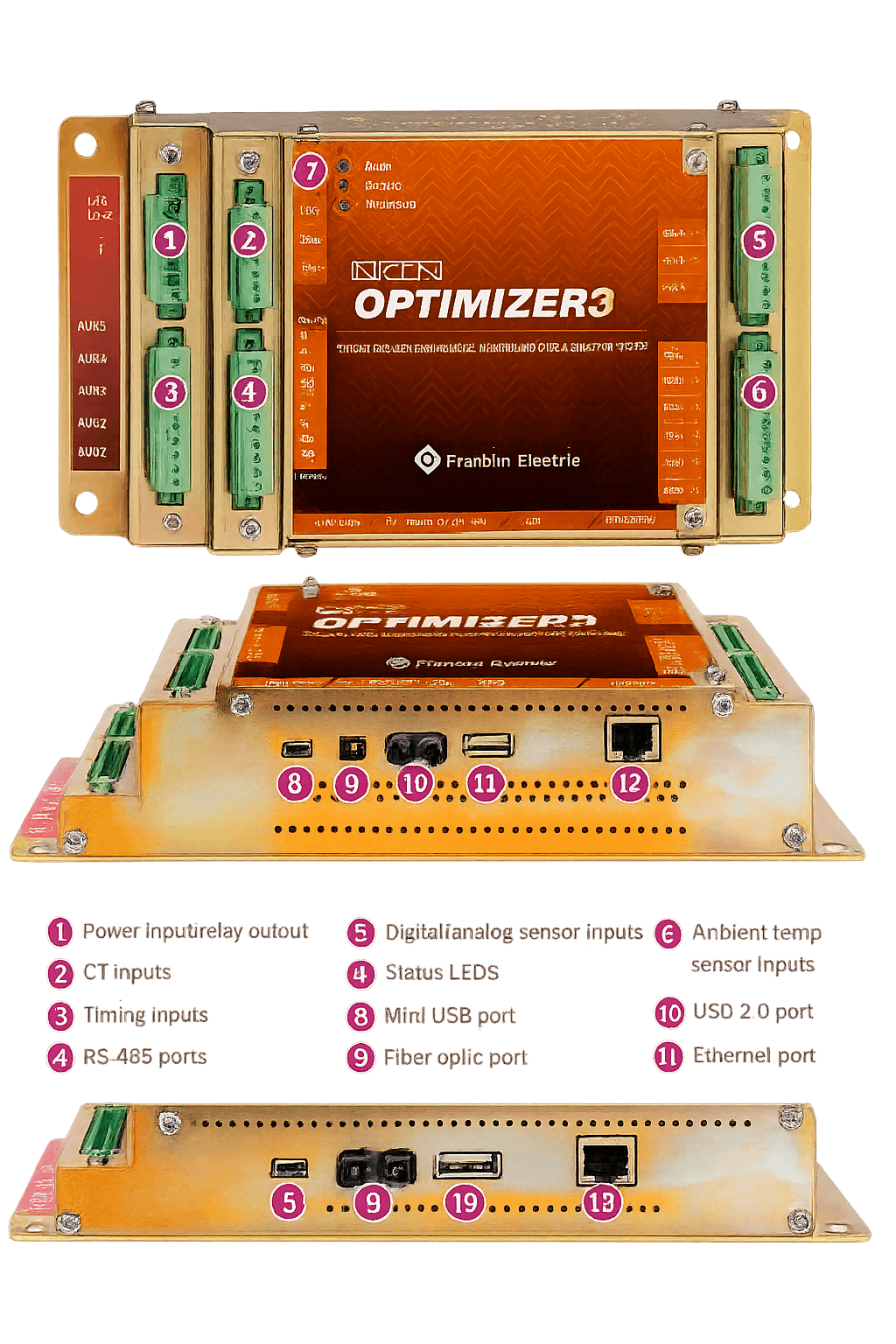
5 breaker timing inputs (trip / close coils, 52a / 52b)
3 dual-mode (digital / analog) sensor inputs
5 single-mode (analog 4-20mA) sensor inputs
1 form C relay (programmable for any alarms & events)
Temperature sensor / power supply voltage monitoring
2 RS-485 ports for DNP3 communication
2 Ethernet ports (copper and fiber optic connections)
Mini-USB port to access the user interface locally
USB 2.0 port for data downloads
Ideal Circuit Breaker Types
Monitoring Capabilities
The INCON® Optimizer3 is capable of measuring and logging the following metrics:
Breaker Timing Monitoring
Once connected to the breakers control circuit, the Optimizer3 takes multiple measurements each time the breaker operates. These are logged in history, enabling the utility to identify trends and schedule preventive maintenance.
Opening Time (Trip)
Represents the time it takes for the breaker's trip latch to operate, measured from the beginning of the Trip Initiate signal, as the trip coil is energized and ending with the opening of the 52a switch, cutting power to the trip coil. The Optimizer will catch the infamous 'First Trip', which cannot be measured with offline tests.
Arc Time
Represents the breaker's ability to stop the flow of current. It is affected by the velocity of the breaker and the dielectric property of the SF6 gas. The Optimizer measures this beginning with the opening of the 52a switch and ending when the current flow drops below 7% of the full-scale current range.
Clearing Time
Represents the breaker's ability to clear a fault. It is the sum of the Opening (Trip) Time and the Arc Duration.
Opening Travel Time
Measured beginning with the opening of the 52a switch, as the breaker begins to trip, and ending with the closing of the 52b switch when the breaker is fully open.
Closing Travel Time
Measured the same way, in the opposite direction, beginning with the opening of the 52b switch, as the breaker begins to close, and ending with the closing of the 52a switch when the breaker is fully closed.
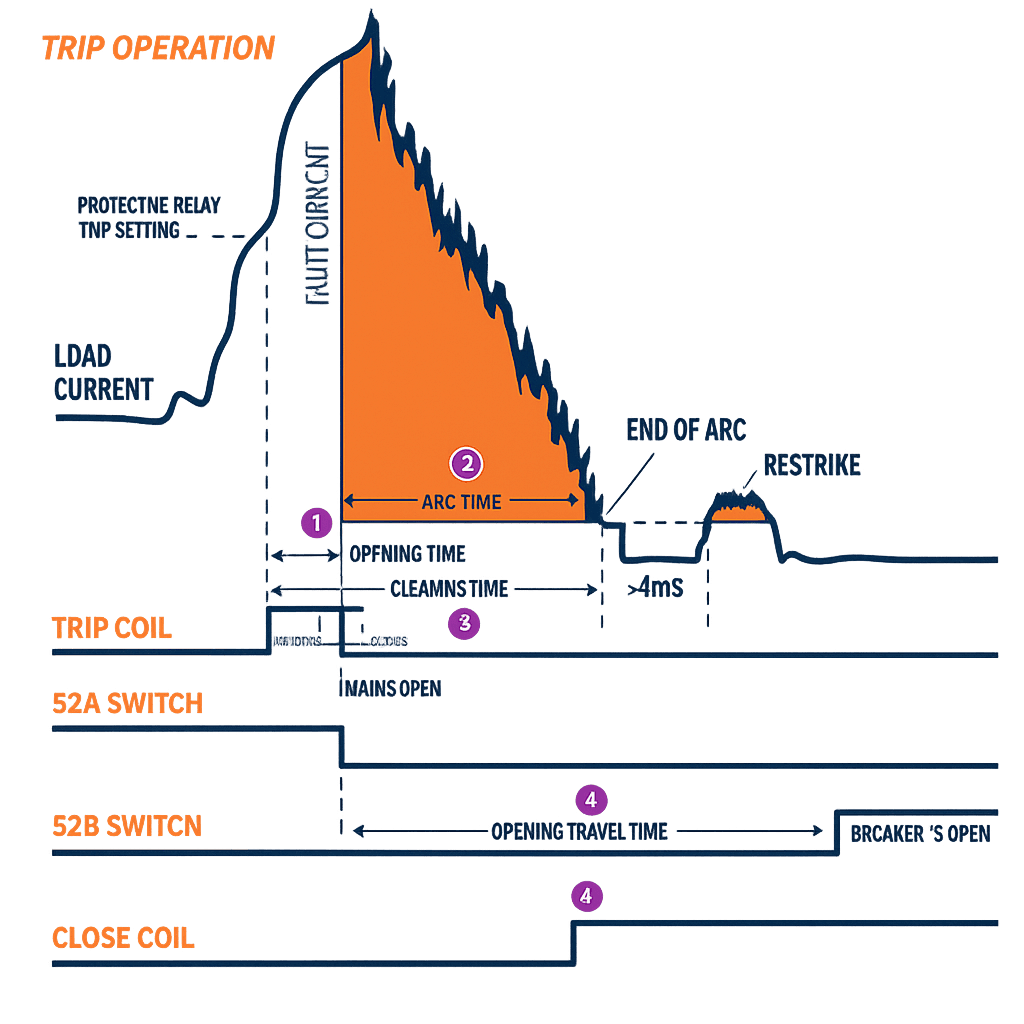
Detects the infamous "First Trip" which offline tests cannot measure.
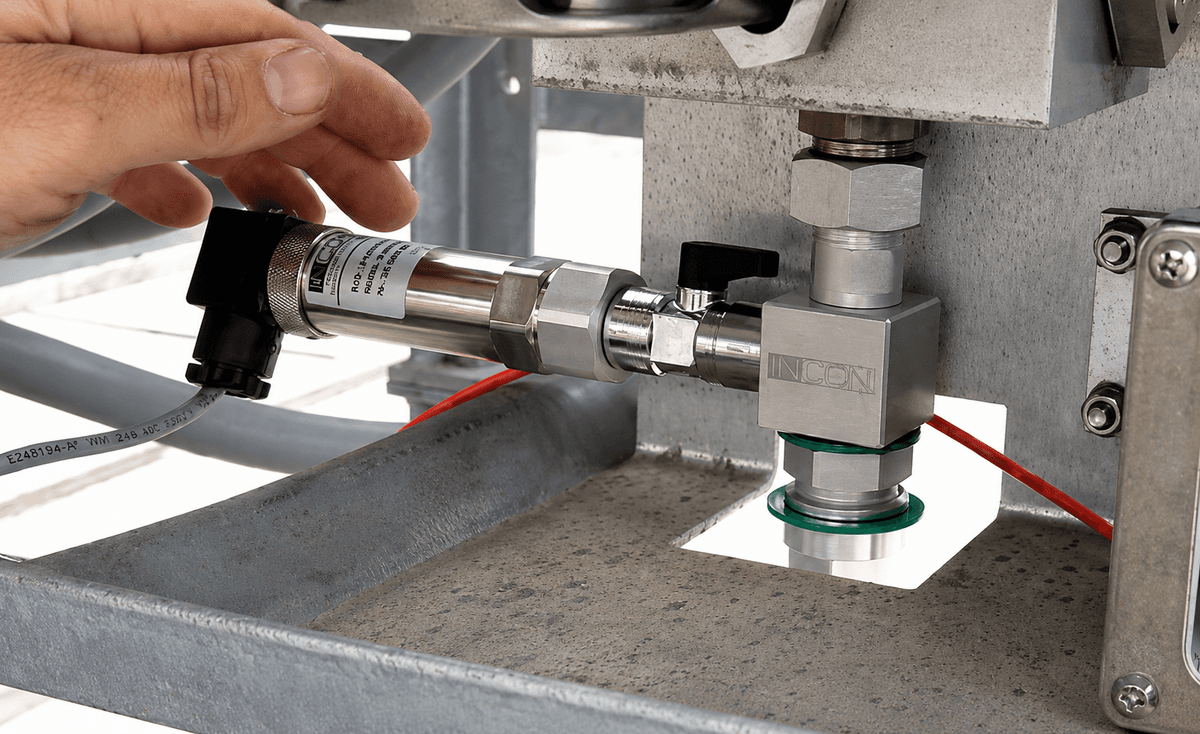
SF6 Gas Monitoring & Reporting
Maintaining SF6 gas pressure is crucial for insulating properties. Low density and excess moisture can compromise these properties, potentially leading to catastrophic failure. The Optimizer3 detects and trends any SF6 leakage and provides an early warning long before damage occurs, while automating EPA compliance reporting.
Every two hours the Optimizer3 logs density, pressure and temperature measurements into an SF6 history.
Every 24 hours, the average density, density trend, average mass, average pressure, pressure trend and average temperature are logged into an SF6 daily summary report.
The SF6 daily summary report provides the information needed for reporting of fugitive emissions.
Inside The Cabinet
Comprehensive monitoring of various breaker components to ensure operational reliability.
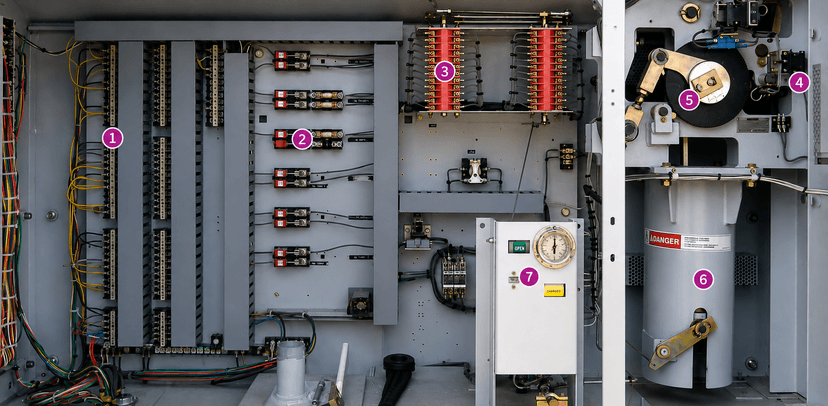
Current Transformer Current Taps
The Optimizer3 uses current transformer pickup coils to measure real-time current flow and monitor main interrupter contact wear based on fault current and arc duration.
AC/DC Voltage Supply
The Optimizer3 continuously monitors AC or DC voltage supply using voltage transducers to ensure the reliability of the breaker's critical mechanisms.
Breaker Timing
Breaker travel timing parameters, crucial for assessing breaker health, are measured by the Optimizer3 through direct connections to the breaker's 52a and 52b switches.
Trip & Close Coils
The Optimizer3 tracks the idle condition, operation time of trip and close coils, and the time it takes for the trip and closing latch to function.
Spring Winding Motor
The Optimizer3 monitors the current draw and run time of the spring winding motor to detect issues with the motor or winding mechanism.
Cabinet Heaters
The Optimizer3 monitors AC current to ensure cabinet heaters prevent moisture inside the control cabinet and alert for potential failures.
SF6 Gas
The Optimizer3 uses sensors to monitor SF6 gas properties, detect leaks, and calculate the time before a low gas alarm, aiding in compliance with EPA regulations.
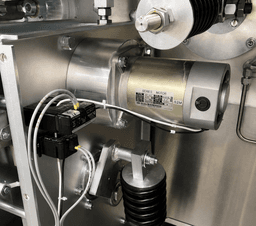
Accessories & Auxiliary Systems
Customizable sensors to expand the monitoring footprint.
INTERRUPTER CONTACT MONITORING
The Optimizer3 measures fault current in each phase during arc time and calculates the damaging energy (I²T) for each phase. I²T accumulates at different rates based on fault current and the involved phase. Using current transformer pickup coils, the Optimizer3 measures real-time current flow in the bushing current transformer secondaries. This objective data allows for intelligent, need-based maintenance scheduling.
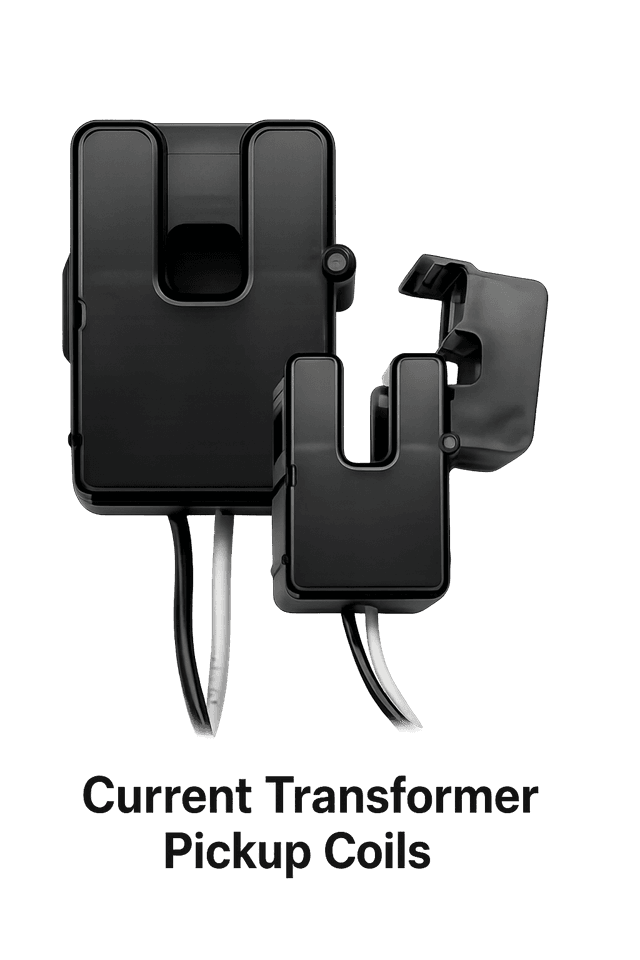
Current Transformer Pickup Coils
CABINET HEATER MONITORING
Most breakers have continuously-running cabinet heaters to prevent moisture condensation by keeping the control cabinet warmer than the outside air. These heaters typically use AC power and can be monitored using an AC Current Transducer. The transducer offers a current sensing range (10, 20, and 40 amps) selected by a switch. Once the heater's nominal current is determined, the Optimizer3 can be programmed to alarm if a heater fails, resulting in a current drop.
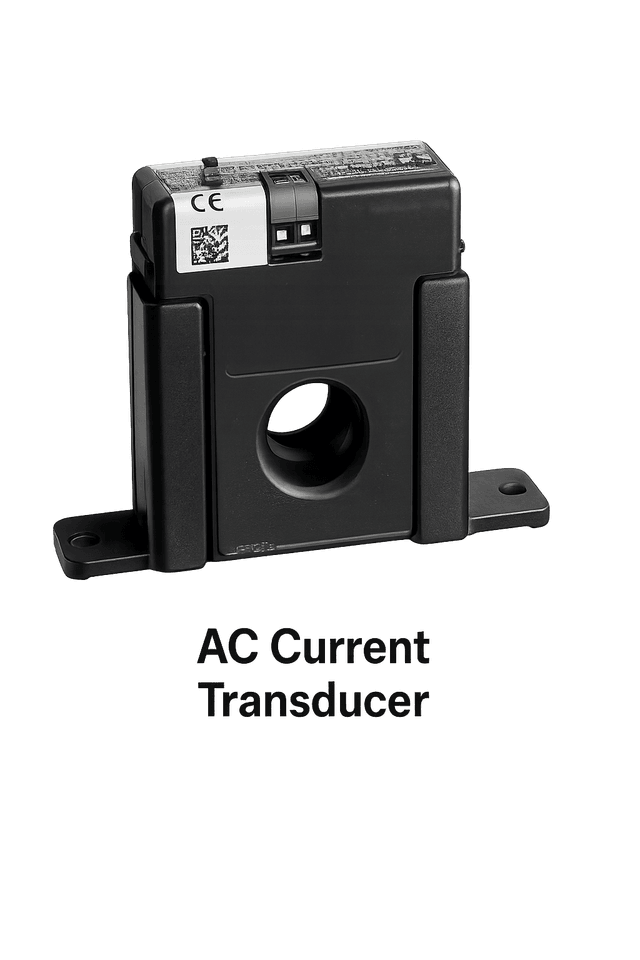
AC Current Transducer
AC/DC VOLTAGE MONITORING
The Optimizer3 can monitor the AC or DC voltage supplies in the control cabinet, including cabinet heaters, spring winding motors, air compressor motors, station service, and battery banks. Using voltage or current transducers, these measurements are logged in the database every two hours, with upper and lower limits set to activate alarms.
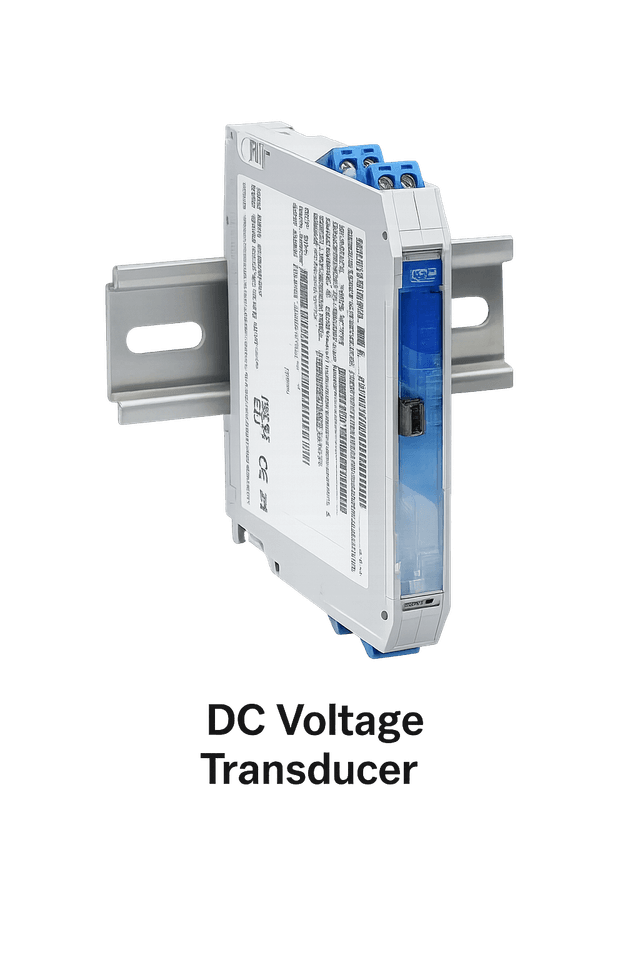
DC Voltage Transducer
Spring Winding Motor Monitoring
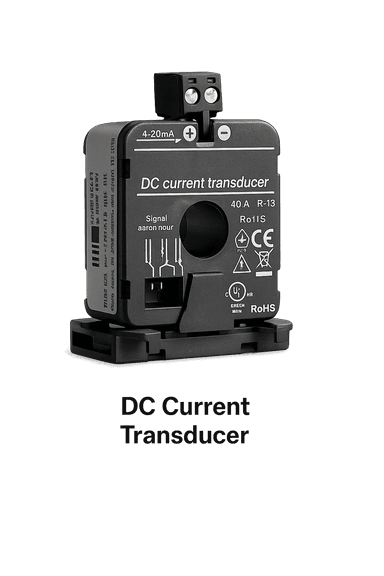
The trip coil pulls the trip latch, releasing the energy stored in a large spring to open the breaker in a matter of milliseconds. After the breaker closes, the spring winding motor runs shortly to compress the spring. If the motor or the winding mechanism has an issue, the current drawn while running may be affected. The AC or DC Current Transducer measures the peak run current while the motor is winding the spring. If the current draw is too high or too low, the Optimizer3 triggers an alarm.
DC Current Transducer
Tank Heater Monitoring
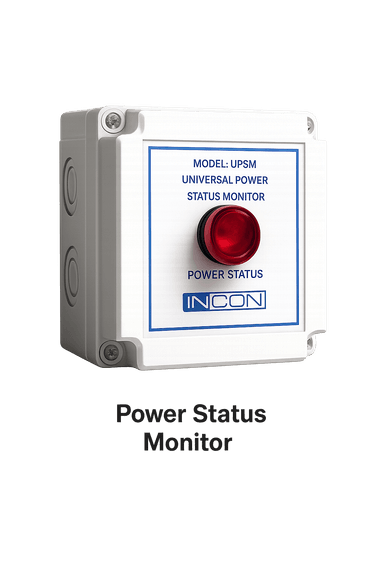
Tank heaters are thermostatically controlled, so they do not run continuously. The Power Status Monitor is wired into the heater supply circuit and enables the current draw of the heaters to be monitored only when they are turned on. If one or more of the heater elements fails, the current draw will be too low and the Optimizer3 will trigger a heater alarm.
Power Status Monitor
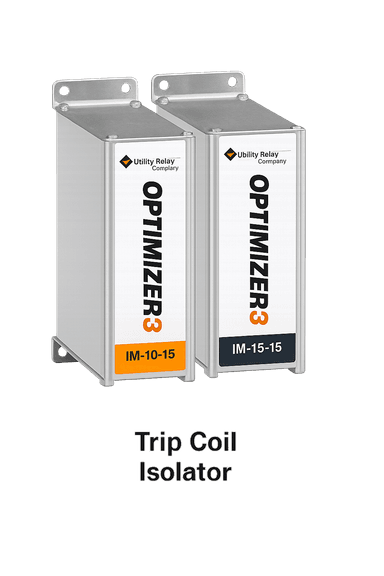
Trip Coil Isolation
The Trip Coil Isolator is a cost effective means to achieve compliance with regulations requiring redundant trip circuits on all circuit breakers 115 KV and above as well as physical isolation of critical circuits in medium and high voltage environments. With the Trip Coil Isolator, the Optimizer3 can monitor trip circuits 1 & 2 as if it was hard-wired to them both, yet maintain the isolation required by regulations.
Trip Coil Isolator
Software Capabilities
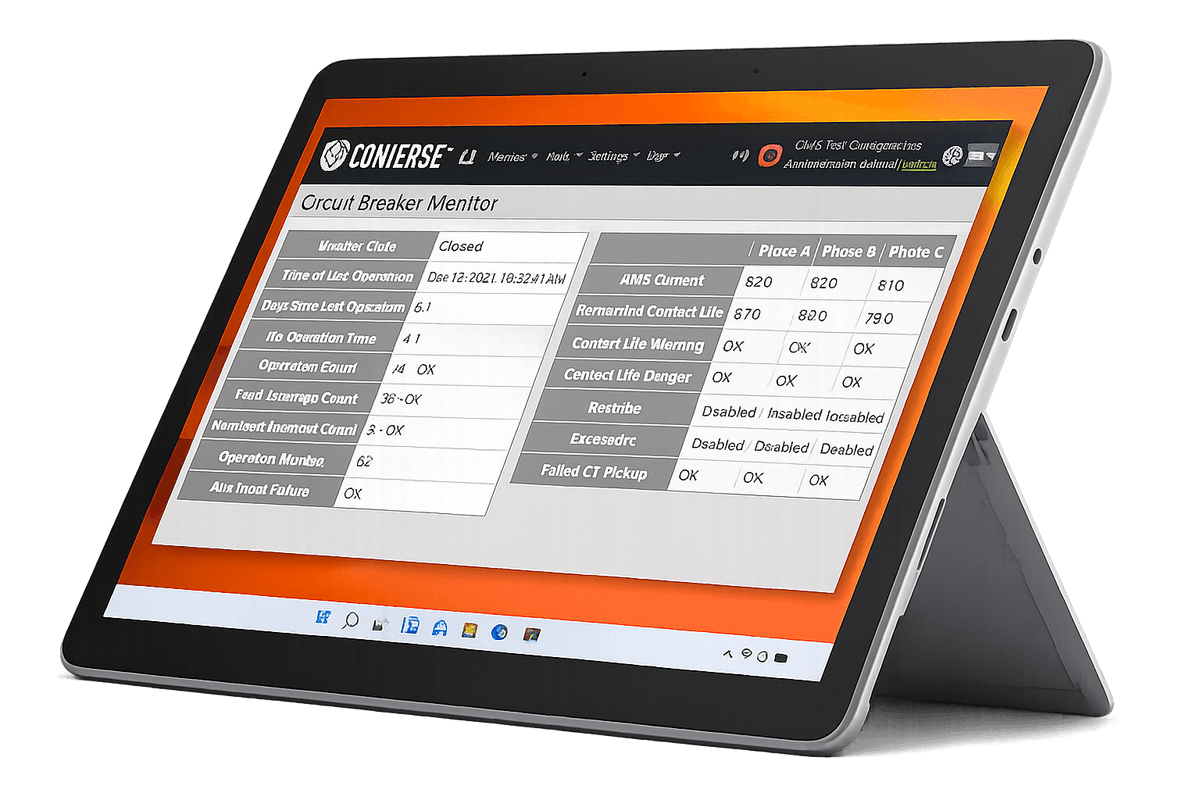
The web-based CONVERGE™ user interface allows users to securely connect directly to the Optimizer3 from any web enabled device. Performance data is delivered through standard protocols to stakeholders with role-based access.
Sensor
Dashboard
Custom
Reports
Events
Dashboard
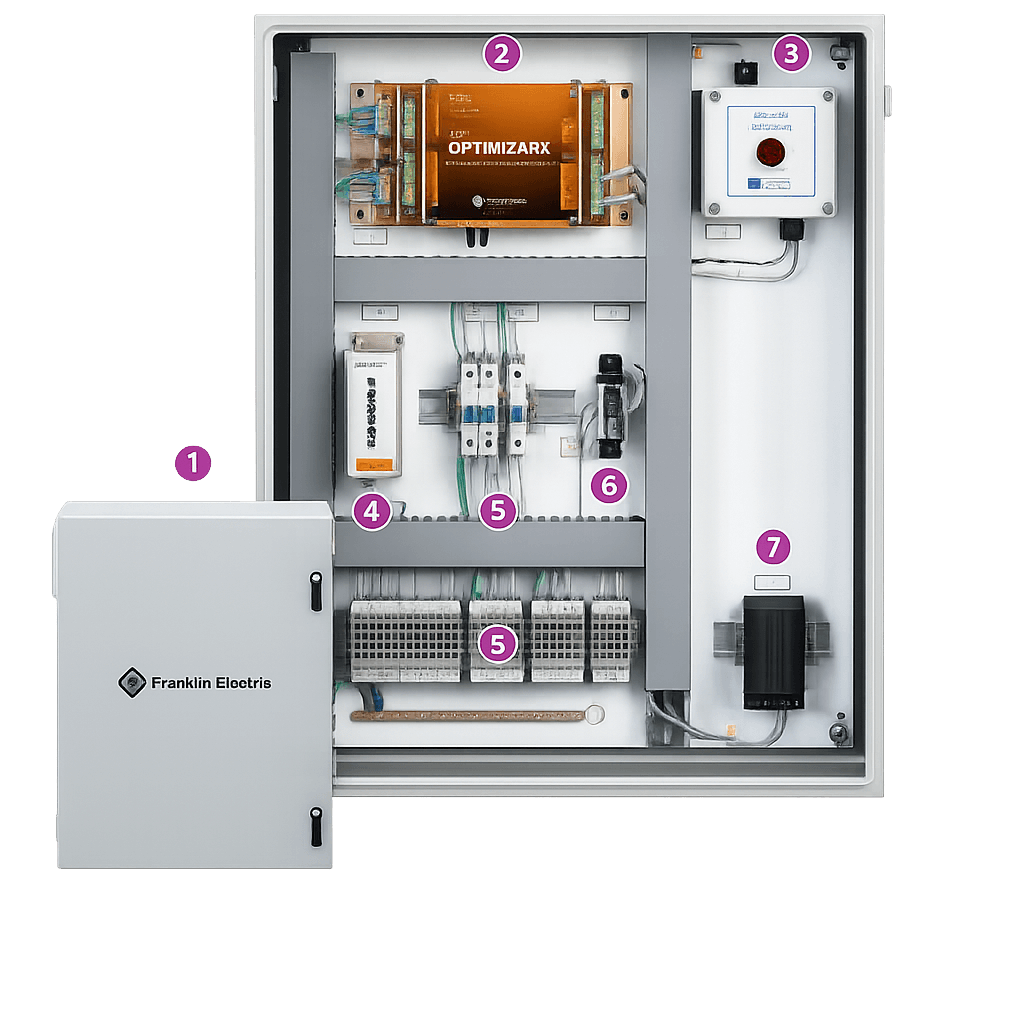
Optimizer3 Cabinet
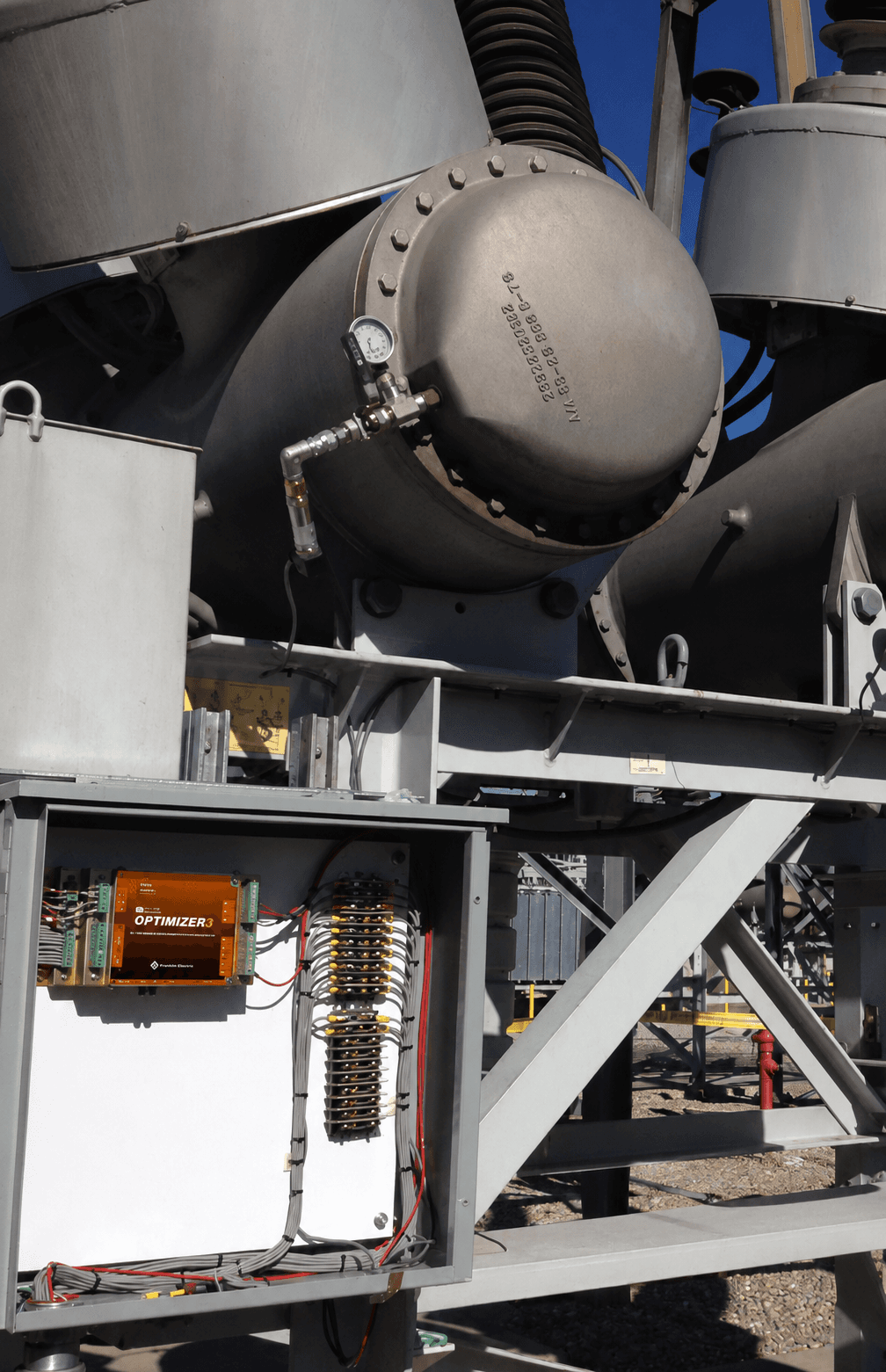
The Optimizer3 pre-assembled cabinet offers a turnkey comprehensive circuit breaker monitoring solution for rapid deployment. Pre-mounted, pre-wired, and factory tested for streamlined installation.
Optional Monitoring Capabilities
Rapid Return on Investment
For about THE COST OF A SINGLE OFFLINE TEST, an INCON® Optimizer3 can be deployed to deliver real-time performance metrics and enable proactive planning.
Why Switch to Online?
Continuous testing avoids de-energizing, reduces labor costs, and provides high-fidelity data under real operating conditions.
Operational Downtime
Offline Testing
Utilities must de-energize, execute load transfer and switching operations, and isolate assets – reducing overall load capacity. This process can be complex, involving careful coordination and expensive equipment to maintain service reliability and safety.
Online Testing
The Optimizer3 allows for real-time, continuous monitoring without asset shutdown or load transfer and switching. Online testing maintains uninterrupted service and capacity continuity, while avoiding the complexities and operational downtime required for offline testing.
Labor Requirements
Offline Testing
Offline testing involves significant manual labor, including constant truck rolls and travel time for the deployment of skilled technicians to various sites. This leads to the high overhead costs of maintaining a mobile maintenance workforce as well as heightened personnel safety exposure.
Online Testing
Remote data collection reduces the need for frequent site visits and enables more strategic allocation of work hours. This means personnel can focus on targeted maintenance only when needed, rather than routine testing, optimizing work hours and reducing onsite exposure.
Data Accuracy
Offline Testing
Data collected during offline testing may lack accuracy as it doesn't capture the equipment's performance under normal operating conditions. Offline tests often simulate conditions that may not fully replicate the stresses and dynamics encountered in real-world service environments.
Online Testing
Online testing produces high-fidelity performance data under real operating conditions, which is essential for accurate diagnostics. By continuously monitoring equipment behavior, it enables the detection of subtle changes over time to facilitate predictive maintenance.